
Indonesia has a great opportunity to become a globally competitive Muslim fashion producer. This opportunity comes from global Muslim spending potential of USD 295 billion, reinforced by the performance of the national textile and textile products (TPT) industry, which grew 13.44% in Q3-2022.
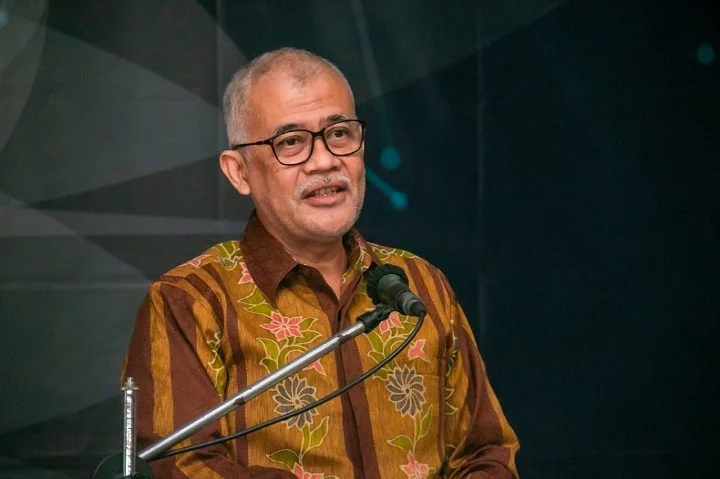
“To optimize this potential, serious efforts from all parties are needed to jointly build Indonesia's Muslim fashion ecosystem,” said Ministry of Industry Secretary General Dody Widodo in Jakarta on Wednesday (23/11).
Building the Muslim fashion industry ecosystem starts upstream, with access to raw materials, production, branding, and exhibition and promotion activities. “The fashion industry ecosystem also needs competent industrial human resources, requiring a national qualification scheme integrating education, job training and the business world,” he explained.
Kemenperin recognizes several key issues and challenges in developing Muslim fashion, including limited raw material availability and Muslim fashion incubators. This requires accelerators, research and development, and improved creative design guidelines in fashion.
To address these challenges, Kemenperin works with various parties to accelerate the empowerment of the fashion industry. This is in line with the Indonesian Islamic Economic and Finance Masterplan (MEKSI) 2019–2024 and the National Medium-Term Development Plan (RPJMN) 2020–2024.
Kemenperin also runs programs to improve literacy, education, campaigns, outreach and promotion of the halal industry through awards and exhibitions. Since 2021, Kemenperin has held the Indonesia Halal Industry Awards (IHYA) to give special recognition to parties and policymakers actively involved in growing, developing and empowering the national halal industry.
Meanwhile, the domestic TPT industry is also being strengthened to optimize the potential of Muslim fashion, including through machinery/equipment restructuring programs in fabric finishing and fabric printing. Kemenperin, together with the Ministry of Finance and the Ministry of Trade, has also set import control instruments to secure and protect the domestic TPT market.
Launch of the Modest Fashion Creation Mentoring Guidebook
Complementing these efforts, Kemenperin held a Focus Group Discussion on the Modest Fashion Roadmap on 21–23 November 2022, and contributed to the Modest Fashion Guidebook published by the Ministry of Tourism and Creative Economy (Parekraf). The book was prepared based on an earlier Focus Group Discussion (FGD) involving several ministries/agencies, producing a book that may become part of the Indonesian National Qualifications Framework (KKNI) in the future.
In recorded remarks at the book launch on Monday (21/11), Minister of Tourism and Creative Economy Sandiaga Salahuddin Uno said one key to advancing the modest fashion sector is mentoring modest fashion creators. “Appropriate mentoring strategies suited to Indonesia's modest fashion ecosystem are also needed to maintain the quality of product creations, so they are well directed and can raise the value chain of Indonesia's modest fashion creative economy,” he said.
The Deputy for Digital Economy and Creative Products at the Ministry of Tourism and Creative Economy, Muhammad Neil El Himam, explained that the book was prepared to guide mentors and mentoring organizers in managing programs focused on modest fashion creation.
“Modest fashion mentoring is expected to be more focused, creating excellent creations that raise the creative and economic value chain and activate the related ecosystem through the right strategies. The guide also comes with a practical pocket book,” he said.
The Head of the Center for Halal Industry Empowerment (PPIH) at Kemenperin, Junadi Marki, said Kemenperin hopes the book will become a reference for organizers, regulators and mentors in the fashion subsector as well as domestic designers, helping make Indonesia the world's center of Muslim fashion.
Source: Press Release of the Ministry of Industry of the Republic of Indonesia