

In recent months, domestic industry, especially the domestic textile and textile product (TPT) subsector, has been facing serious challenges. In the Industry Confidence Index (IKI) for October 2025, the textile subsector stood at 49.74 points, indicating contraction.
Clarifying a statement by Kemenperin's Director of Textile, Leather and Footwear Industries (ITKAK) rejecting the term "import flood" in the TPT industry sector, the Ministry of Industry said that, in fact, there has indeed been a significant increase in the volume of textile product imports, especially downstream textile products exceeding domestic market needs, so the situation can be described as an import flood.
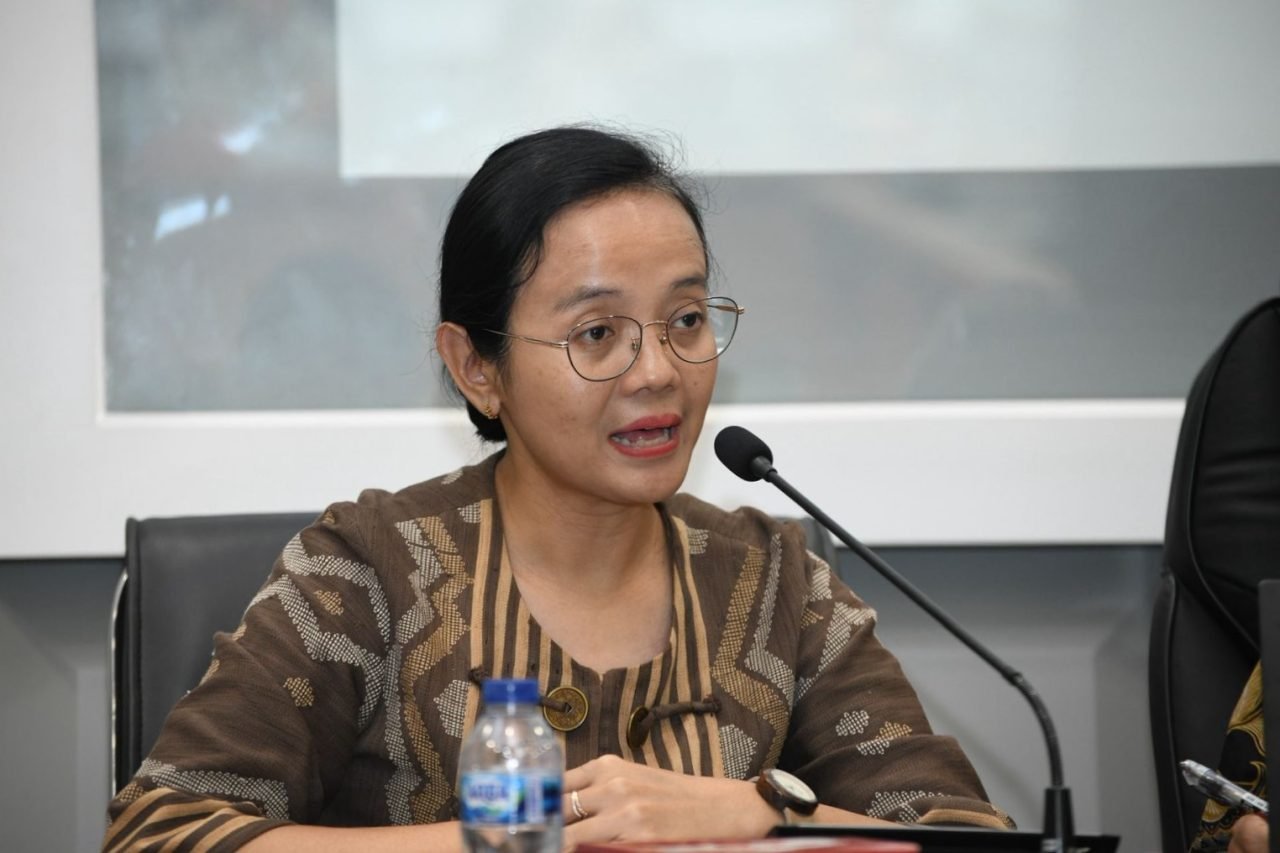
“The recent import flood phenomenon has mostly affected downstream TPT products, especially the garment industry. Meanwhile, for raw materials, the national textile industry still needs imported supplies to increase competitiveness and sustain the supply chain of downstream industries,” the Head of the Public Relations Bureau of Kemenperin, Alexandra Arri Cahyani, said in a statement in Jakarta on Saturday (1/11).
According to Alexandra, the increase in imports is due to a number of factors, including shifting global trade patterns, falling international logistics costs and the relaxation of import policies in several partner countries. The impact is felt directly by domestic textile industry players, who face pressure on selling prices and the absorption of their production.
“This import flood does put pressure, especially on upstream industries that have been supporting the supply of local yarn and fabric. Kemenperin, together with related ministries and agencies, is therefore immediately taking control measures so that national industry remains protected,” she explained.
Kemenperin fully supports the statement by the Minister of Finance, who affirmed he will eradicate the illegal textile import mafia. This step, Alexandra said, is certainly very positive and in line with President Prabowo Subianto's direction to protect domestic industry.
Kemenperin therefore consistently runs programs focused on strengthening domestic industrial capacity through machinery and equipment restructuring, increasing labor productivity and accelerating the implementation of the Domestic Component Level (TKDN) in the TPT sector.
“We believe these import enforcement efforts are in line with strengthening the structure of the national textile industry, so that our industry can compete fairly in both global and domestic markets,” she explained.
Alexandra further stressed that the import flood will be handled proportionally and in a measured way, while maintaining the smooth flow of raw materials for export-oriented user industries such as garments and apparel.
“In principle, we are not closing off trade flows, but reorganizing the mechanism so that raw materials remain available and local products remain protected. Our focus remains on sustaining the national industrial supply chain,” she concluded.
Source: Press Release of the Ministry of Industry of the Republic of Indonesia