

Amid increasingly fierce business competition, the Ministry of Industry continues to improve the capabilities of small and medium industries (SMIs), especially in the fashion and craft subsectors. This effort aims to strengthen SMI competitiveness so that they can adapt to industry dynamics and evolving market trends.
Minister of Industry Agus Gumiwang Kartasasmita said the fashion and craft industry has a long value chain from upstream to downstream, interconnected in creating added value and global competitiveness. The value chain covers raw material supply, design and prototyping, production, branding and marketing, through to product distribution.
“The latest data show that the fashion and craft industry remains one of the mainstays of Indonesia's creative economy,” the Minister of Industry said in a statement in Jakarta on Friday (20/3).
Domestic craft and fashion products have also proven able to compete and are in demand in export markets. This is reflected in craft industry exports in 2025, which reached USD 806.63 million, while exports of the fashion industry, closely related to the apparel industry, reached USD 8.85 billion.
“This achievement confirms the strategic position of the fashion and craft subsectors as important drivers of the national creative economy and shows the growth opportunities for Indonesian creative products in global markets,” the Minister of Industry said.
Agus added that SMI players in the fashion and craft sector need to keep developing their design excellence and the added value of their products in line with evolving market trends and changing lifestyles.
According to research published in the Journal of Product Innovation Management by Gemser and Leenders (2021), companies that integrate design into their product development processes perform better than those that do not.
“These findings confirm that design is not merely a complement, but an important part of the strategy for growth and increased industrial competitiveness. The creative fashion and craft industry must have added value through strong and distinctive design,” he stressed.
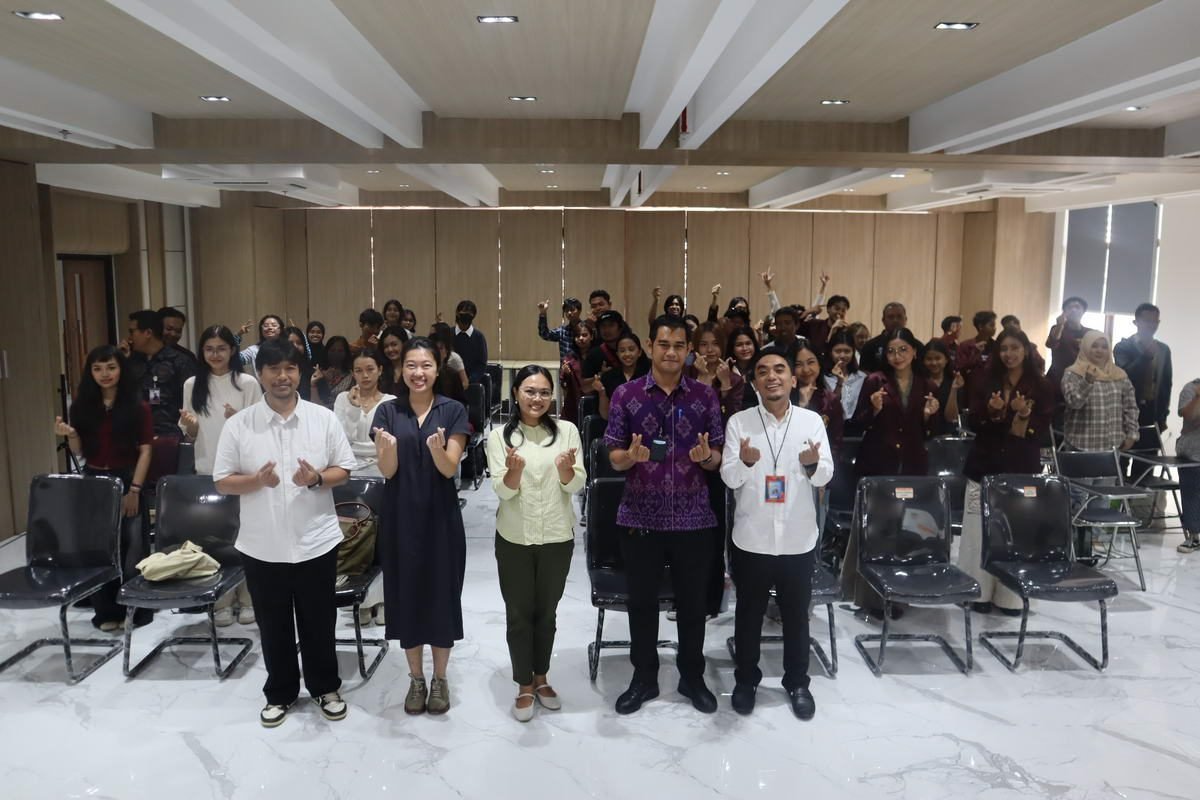
As part of this strengthening effort, Kemenperin, through the Fashion and Craft Industry Empowerment Center (BPIFK) under the Directorate General of Small, Medium and Miscellaneous Industries (IKMA), held a Design Talk forum on 6 March 2026 in Badung, Bali, with the theme “Strategies for Strengthening Creative Industry Competitiveness through Design”. The event was a forum for discussion and knowledge sharing between craftsmen and SMI players and other stakeholders such as academics and design practitioners.
The Director General of IKMA, Reni Yanita, explained that BPIFK partnered with the Indonesian Industrial Product Designers Association (ADPII) as a strategic collaborator in strengthening the role of design in industrial product development.
“This talk on the topic Design as Industrial Foundation was attended by 75 participants from SMIs, academia and design practitioners,” she said.
Reni added that this collaboration is part of efforts to boost the competitiveness of fashion and craft SMIs while bringing together the perspectives of industry, design professionals and businesses in one integrated discussion space.
Meanwhile, the Head of BPIFK, Dickie Sulistya, said increasing SMI competitiveness depends not only on increasing production capacity, but also needs to be strengthened through an understanding of design, product innovation and sustainable product development strategies.
“Through Design Talk, BPIFK opens a space for sharing ideas while bridging SMI players with knowledge and networks that can make design the starting point for building a stronger industry,” he said.
Through these various development programs, Kemenperin remains committed to strengthening the national creative industry ecosystem so that it can produce fashion and craft products that are innovative, high in added value and competitive in global markets.
Source: Press Release of the Ministry of Industry of the Republic of Indonesia