

The government, through the Directorate of Textile, Leather and Footwear Industries of the Ministry of Industry (Kemenperin), stressed that the national textile and textile product (TPT) industry is still operating relatively stably, despite facing global dynamics that affect the price and availability of raw materials.
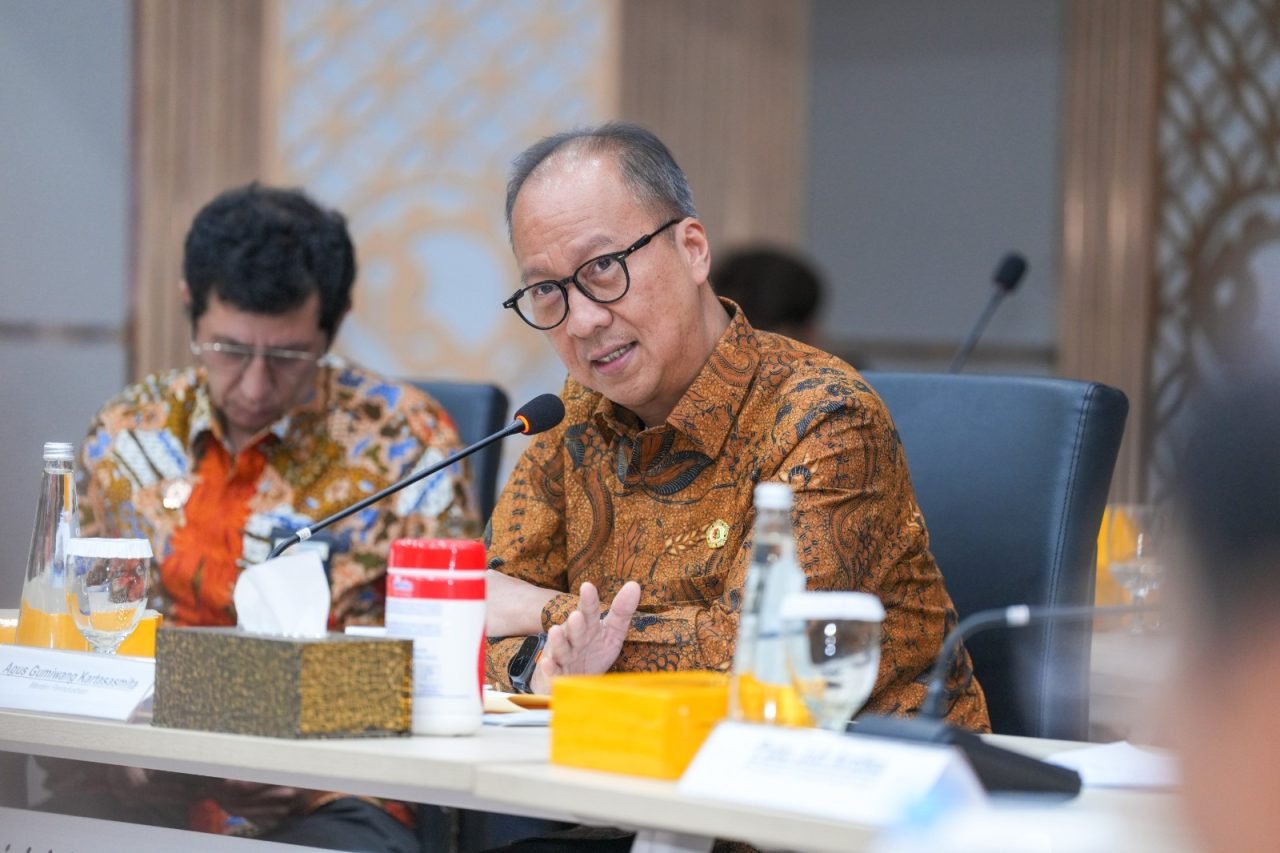
“We continue to monitor fluctuations in global raw material prices affecting the national TPT industry, by strengthening coordination to maintain the availability of raw materials and the smooth running of supply chains,” Minister of Industry Agus Gumiwang Kartasasmita said in a statement in Jakarta on Tuesday (21/4).
In a coordination meeting with industry associations and businesses, it was identified that the main pressure currently comes from the global rise in energy-based raw material prices. Domestic paraxylene (PX) prices, for example, rose by around 40 percent, following international price movements. On the other hand, supplies of chemical raw materials such as monoethylene glycol (MEG) remain secure until April, although the period after that still requires further monitoring.
The price increases naturally affect the cost structure along the production chain, from upstream to downstream industries. This also affects the prices of fabrics and intermediate products, as well as the cost of supporting components such as plastic-based packaging. In some cases, adjustments in export activity were also found, including returned goods due to global market dynamics.
Nevertheless, national industry has shown good adaptability. Businesses continue to sustain production through stock management, adjusted procurement strategies and stronger coordination with raw material suppliers. Domestic demand also remains active, while export opportunities remain open as conditions in competing countries change.
The Director of Textile, Leather and Footwear Industries, Rizky Aditya Wijaya, said that in strengthening the industrial structure, rayon fiber, as a product based on domestic natural resources, is one of the important pillars for maintaining industrial balance.
“Amid pressure on petrochemical-based raw materials such as polyester, the use of domestically produced rayon provides a competitive alternative raw material while strengthening industrial self-reliance,” he said.
Rizky said the synergy between natural and synthetic fibers is part of national industry's adaptation strategy in responding to global dynamics, while sustaining production in the downstream sector.
Rizky further revealed that some subsectors do need more attention, especially industries that depend on specific raw materials without substitutes. For example, the hygiene industry, such as diapers, depends on several key components, so the availability of each material is crucial to sustaining production.
The government and industry players therefore see the current period as an important phase for observing the further impact of these global dynamics. Anticipatory steps continue to be taken, including mapping critical raw material commodities and identifying potential risks early, to ensure industry is ready for various possibilities.
As part of efforts to strengthen the policy response, Kemenperin is developing an integrated monitoring system for real-time, data-based monitoring and analysis. In addition, various policy options are being comprehensively studied, including fiscal incentives for strategic raw materials, support for energy efficiency and adjustments to trade policy to keep supplies flowing smoothly.
The government also stressed the importance of thorough policy synchronization, in terms of tariffs, fiscal facilities, energy and trade instruments, in order to support the balance of the industrial value chain from upstream to downstream.
“Our TPT industry has a strong foundation in terms of its structure, domestic market and experience in facing various global cycles. With measured anticipatory steps and close collaboration, we are optimistic the industry will keep growing and become increasingly resilient,” he said.
The government and industry players are committed to continuing to maintain stable raw material supplies, strengthen industrial competitiveness and ensure continued production in the short and medium term.
Source: Press Release of the Ministry of Industry of the Republic of Indonesia