

President Prabowo Subianto's administration is targeting national economic growth of 8%, with manufacturing contributing 21.9%. To pursue this target, the government needs to find new sources of contribution to the national economy. The Ministry of Industry has therefore launched the 2025–2045 Industrial Services Roadmap, which has the potential to increase manufacturing's contribution to national economic growth.
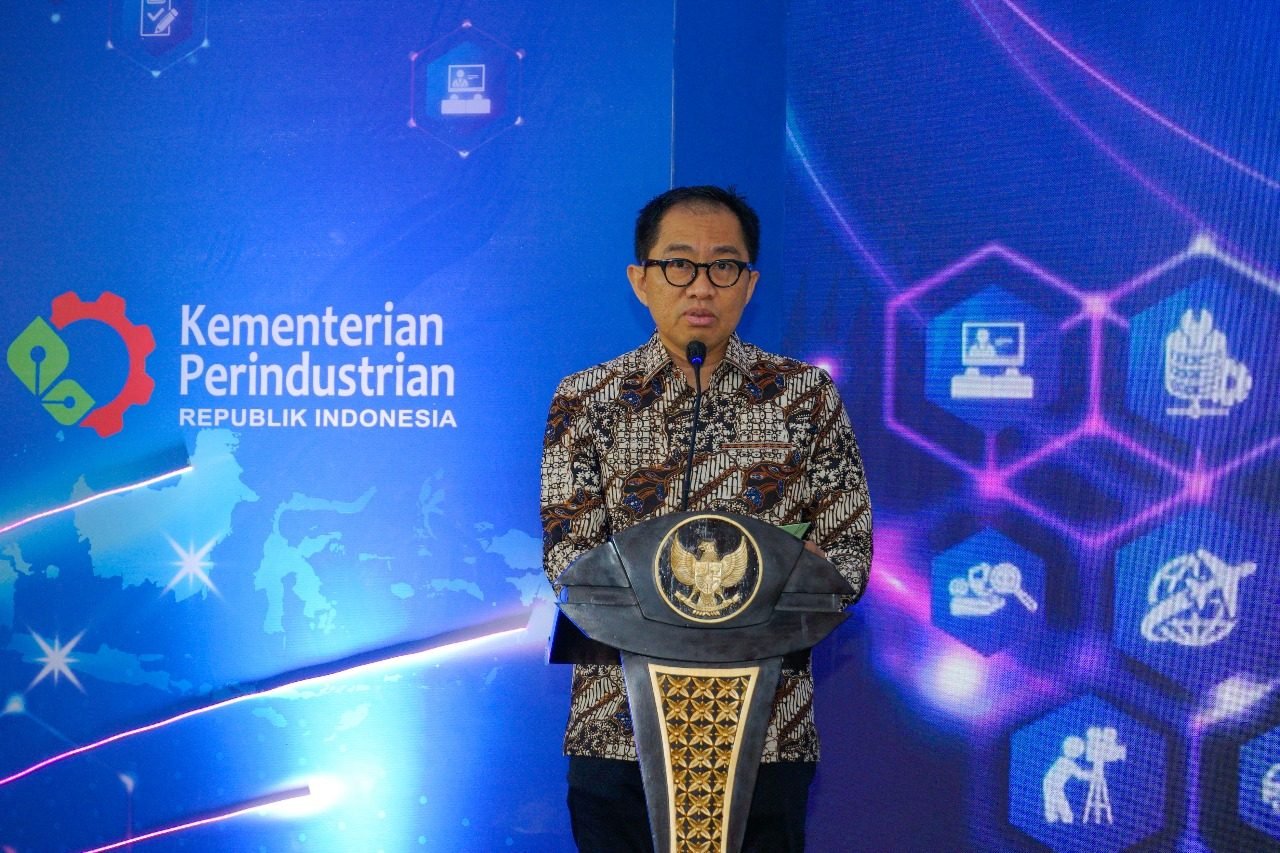
“Industrial services must be developed not merely as support, but as a main driver that can support the efficiency, productivity and sustainability of national industry,” Deputy Minister of Industry Faisol Riza said at the Launch of the Roadmap for Industrial Services Development 2025–2045 in Jakarta on Tuesday (17/12).
The Deputy Minister said industrial services are considered capable of supporting activities in the processing industry and other sectors and contributing to national Gross Domestic Product (GDP). “Based on Kemenperin's calculations, non-C industrial services are estimated to contribute 3.06% of national GDP. This significant contribution underlines the importance of drawing up strategies and programs aimed at maintaining and increasing their contribution to the national economy,” Faisol said.
As set out in Government Regulation No. 14 of 2015 on the National Industrial Development Master Plan (RIPIN) 2015–2035, industrial services act as an enabler for effective, efficient, integrated and comprehensive industrial development. The Industrial Services Development Roadmap 2025–2045 was drawn up to provide guidelines for policymaking and for developing industrial services.
Industrial services are involved in and play a strategic role across six stages of industrial activity: first, establishing a manufacturing industry; second, pre-manufacturing in research, engineering and design; third, the manufacturing process, including testing, calibration and certification; fourth, post-production, including logistics and distribution; fifth, after-sales, including maintenance and repair; and sixth, business services such as consulting and others.
The four targets set in the Industrial Services Development Roadmap are: increasing the industrial services sector's contribution to the national economy to 6.04% by 2045; achieving growth in industrial services above national GDP growth; increasing control of the domestic market and developing domestic supporting industries; and increasing the number of qualified workers in industrial services with relevant certification.
To achieve these targets, Kemenperin has set four stages. Stage I – short term (2025–2029): building a healthy industrial services ecosystem, focusing mainly on harmonizing regulations and preparing competent and certified Human Resources (HR).
Next, Stage II – first medium term (2030–2034): increasing the competitiveness of industrial services to boost manufacturing performance. Stage III – second medium term (2035–2039): increasing industrial services' access to global supply chains, supported by a strong industrial services structure, reliable mastery of technology, and high-quality, highly competitive HR. Finally, Stage IV – long term (2040–2045): realizing the industrial services sector as competitive, resilient, technology- and innovation-based, and able to become a regional champion.
“The challenges facing industry today are increasingly complex, so we must make the most of this roadmap, because it will help accelerate the potential of industrial services and make a greater contribution to industrial development,” Faisol said.
The Head of the Agency for Industrial Standardization and Services Policy, Andi Rizaldi, said the industrial services roadmap was drawn up through cooperation between the Agency for Industrial Standardization and Services Policy (BSKJI) of the Ministry of Industry and International Trade Analysis and Policy Studies, Faculty of Economics and Management, IPB University (ITAPS FEM IPB).
During its preparation, BSKJI and related parties went through several stages. “First, signing agreements and cooperation contracts; Focus Group Discussions and In-depth Interviews with stakeholders and experts in industrial services; Workshops on the progress of the roadmap; and finally, dissemination of the roadmap results,” Andi explained.
The 2025–2045 industrial services development roadmap is expected to serve as a reference for the Ministry of Industry, related ministries/agencies, industrial companies and associations, industrial services companies and associations, and all industrial services stakeholders in carrying out and promoting a greater role and contribution to the national economy.
Source: Press Release of the Ministry of Industry of the Republic of Indonesia