

The Ministry of Industry and industrial companies welcomed the issuance of a new Presidential Regulation (Perpres) on Government Procurement of Goods and Services (PBJ). The newly issued regulation is Presidential Regulation Number 46 of 2025 on the Second Amendment to Presidential Regulation No. 16 of 2018 on Government Procurement. This new regulation governs the obligation of the central government, regional governments, BUMN and BUMD to buy products with a Domestic Component Level (TKDN) and Domestic Products (PDN).
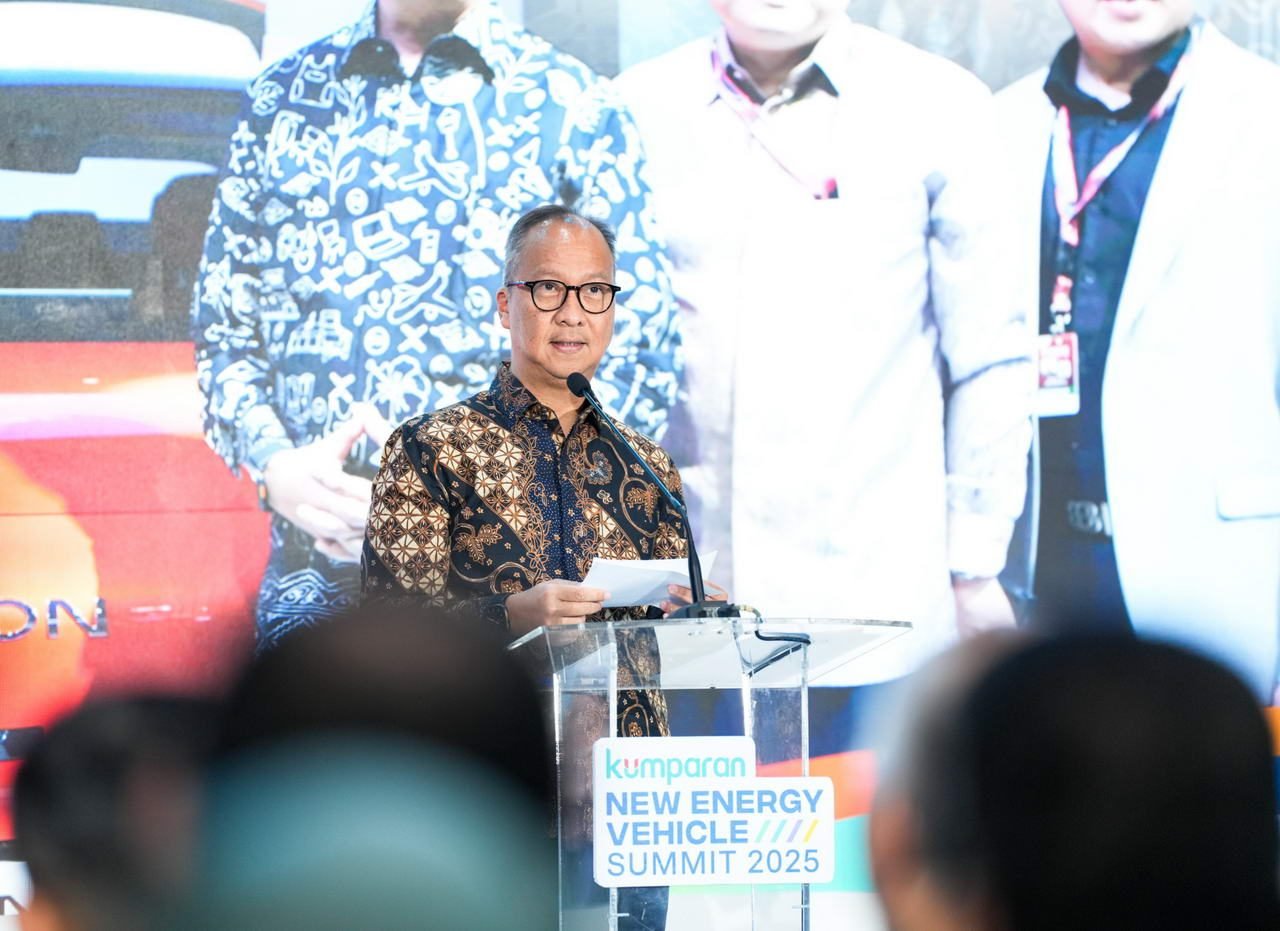
“We and industrial companies greatly appreciate the President of the Republic of Indonesia, Mr. Prabowo Subianto, for signing and issuing Presidential Regulation No. 46 of 2025. This regulation is a breath of fresh air for industry amid the current pressure on domestic demand, especially for industries producing goods bought by the government and BUMN/BUMD,” Minister of Industry Agus Gumiwang Kartasasmita said at the Kumparan New Energy Vehicle event on Tuesday (6/5).
Kemenperin and industrial companies also welcomed the new paragraph in Article 66 of Presidential Regulation No. 46 of 2025, which governs the order of priority for spending by the government and BUMN/BUMD. Under this new rule, the government is required to prioritize buying TKDN or PDN products over imported products.
The order of priority for government spending on TKDN and PDN products under Article 66 of Presidential Regulation No. 46 of 2025 is as follows:
1. If there are products whose combined TKDN and BMP (Company Benefit Weight) score is more than 40 percent, then what the government may buy through procurement (PBJ) are products with TKDN above 25 percent.
2. If no product has a combined TKDN and BMP score above 40 percent, but there are products with a TKDN score above 25 percent, then products with a TKDN score above 25 percent may be bought by the government through Government Procurement.
3. If no product has TKDN above 25 percent, the government may buy products with TKDN below 25 percent.
4. If no product has TKDN certification, the government may buy PDN registered in the National Industrial Information System (SIINAS).
This new regulation improves on the previous one, namely Presidential Regulation No. 16 of 2018 on Government Procurement. Under that regulation, the government could directly buy imported products when domestic industry was not yet able to supply products with a combined TKDN and BMP score above 40 percent. The new regulation also sets out an order of priority for government spending on TKDN and PDN products that was not covered in the old regulation.
“This new regulation is in line with the President's direction at the Economic Forum (Sarasehan Ekonomi) at the Mandiri building in mid-April. The President asked for the TKDN policy to be relaxed and turned into an incentive. This procurement regulation is in accordance with the President's direction,” Agus explained.
Kemenperin is committed to reforming the TKDN policy, especially the policy on the TKDN Calculation Procedure, to make it simpler, faster and cheaper. The aim is for more domestic industrial products to obtain TKDN certificates and be bought by the central government, regional governments, BUMN and BUMD.
Kemenperin began reforming the TKDN policy long before President Trump announced higher import tariffs into the United States in early April 2025. The Minister of Industry and Kemenperin officials began discussing the reform of the TKDN Calculation Procedure in February 2025.
So the TKDN policy reform is not caused by President Trump's reciprocal tariff policy or by pressure from the global trade war, but is based on the needs of Indonesia's domestic industry. We always follow President Prabowo's policies and directions in building Indonesia's manufacturing industry going forward.
“Kemenperin has always had the mission and drive to open the widest possible opportunities for creating new businesses and improving a conducive investment climate. Long before the government took deregulation steps in response to the United States' tariff policy, we had begun efforts to reform the TKDN policy, both in terms of a fairer formula for calculating domestic components and in simplifying the business process for issuing TKDN Certificates,” the Minister of Industry stressed.
The TKDN reform policy draft has undergone public consultation and is now being finalized. “I hope the TKDN reform will further increase interest in doing business and investing in the country, and increase the manufacturing sector's contribution to the national economy,” he concluded.
Source: Press Release of the Ministry of Industry of the Republic of Indonesia